As a devoted dog owner, ensuring the health and happiness of your furry friend is a top priority. However, many pet parents often overlook one crucial aspect of their dog’s well-being: dental health. Just like humans, dogs are susceptible to various dental issues, including plaque buildup, gum disease, and tooth loss, which can lead to dental problems in your dog. Ignoring dental care can lead to painful conditions, affecting not only your dog’s mouth but also their overall health. Alarmingly, studies reveal that approximately 80% of dogs show signs of dental disease by the age of three.
In this comprehensive guide, we’ll delve into how to effectively prevent dental problems in your dog. You will discover the importance of dental hygiene, practical tips for maintaining oral health, and the significance of regular veterinary visits. By the end of this article, you will be well-equipped with the knowledge and tools to keep your dog’s teeth and gums in optimal condition, ensuring they live a long and healthy life.
The Importance of Dental Health in Dogs

Maintaining your dog’s dental health is not merely about aesthetics; it significantly impacts their overall well-being. Here are several reasons why dental care is essential for your dog:
1. Prevention of Dental Diseases
Dental diseases, particularly periodontal disease, are among the most common health issues that affect dogs. Plaque and tartar buildup can lead to inflammation of the gums, resulting in painful conditions and, ultimately, tooth loss. Regular dental care, including brushing and dental chews, can significantly reduce the risk of these diseases.
2. Enhanced Overall Health
Poor dental hygiene can contribute to systemic health issues. Bacteria from dental disease can enter the bloodstream, affecting vital organs such as the heart, liver, and kidneys. By prioritizing your dog’s dental health, you can help prevent severe health problems that may arise from untreated dental issues.
3. Improved Quality of Life
Dental pain can greatly diminish your dog’s quality of life. A dog suffering from dental discomfort may become withdrawn, irritable, and less willing to engage in activities they once enjoyed. By keeping their teeth and gums healthy, you can ensure your dog remains active and happy.
4. Reduced Veterinary Costs
Preventing dental issues through regular care can save you significant money in the long run. Dental treatments can be costly, and catching problems early through preventive measures can help you avoid expensive veterinary bills.
5. Fresher Breath and Better Hygiene
Nobody enjoys a dog with bad breath! Regular dental care helps keep your dog’s breath fresh and reduces the buildup of tartar and plaque. This not only benefits you but also creates a more pleasant environment for your pet.
6. Better Nutrition and Eating Habits
Dental problems can make eating painful for your dog. By maintaining good dental health, you can ensure your dog can chew their food comfortably and enjoy a balanced diet. This, in turn, contributes to better overall health and vitality.
7. Building Trust with Your Pet
Incorporating dental care into your dog’s routine can strengthen your bond. Engaging in regular brushing or providing dental treats fosters trust and understanding, making your dog more comfortable with handling and care procedures.
Practical Steps for Maintaining Your Dog’s Dental Health and Preventing Dental Problems in Your Dog
Now that we understand the importance of dental care, let’s explore practical steps you can take to maintain your dog’s oral hygiene effectively.
1. Establish a Regular Brushing Routine

Brushing your dog’s teeth is the most effective way to prevent plaque buildup. Aim to brush your dog’s teeth at least two to three times a week, if not daily. Use a toothbrush and toothpaste specifically designed for dogs, as human products can be harmful to them. Here’s how to establish a brushing routine:
- Choose the Right Time: Pick a time when your dog is calm and relaxed. This could be after a walk or playtime.
- Familiarize Your Dog with the Brush: Allow your dog to sniff the toothbrush and toothpaste. Start by letting them taste the toothpaste before introducing the brush.
- Use Positive Reinforcement: Reward your dog with praise or treats after each brushing session. This helps them associate brushing with positive experiences.
- Be Gentle: Use gentle strokes, focusing on the outer surfaces of the teeth where plaque tends to accumulate. Gradually introduce brushing the inside surfaces as your dog becomes more comfortable.
- Make it a Routine: Try to incorporate brushing into your daily routine, such as right after their morning walk or before bed.
2. Incorporate Dental Chews and Toys
Dental chews and toys can complement your brushing routine by helping to reduce plaque and tartar buildup. Look for products specifically designed to promote dental health. When selecting dental chews:
- Check for Veterinary Approval: Look for products endorsed by veterinarians or recognized by dental health organizations.
- Consider Your Dog’s Size and Chewing Habits: Choose chews that are appropriate for your dog’s size and chewing strength to ensure they can effectively benefit from them.
- Supervise Chewing Sessions: Always supervise your dog while they are chewing to prevent choking hazards and ensure they are chewing safely.
- Rotate Chews Regularly: To maintain interest and effectiveness, rotate different types of dental chews and toys.
3. Provide a Balanced Diet

A healthy diet plays a vital role in maintaining your dog’s dental health. Look for high-quality dog food that promotes dental health and consider incorporating the following:
- Dental-Specific Diets: Some dog food brands offer formulas specifically designed to help reduce plaque and tartar buildup. These diets often include larger kibble sizes that encourage chewing.
- Fresh Fruits and Vegetables: Some fruits and vegetables, such as carrots and apples, can provide natural cleaning effects on your dog’s teeth. Always consult your veterinarian before introducing new foods.
- Avoid Excessive Treats: Monitor the number of treats you give your dog, as excessive sugary or soft treats can contribute to dental issues.
- Hydration Matters: Ensure your dog has constant access to fresh water. Proper hydration supports saliva production, which helps wash away food particles and bacteria.
4. Schedule Regular Veterinary Check-ups

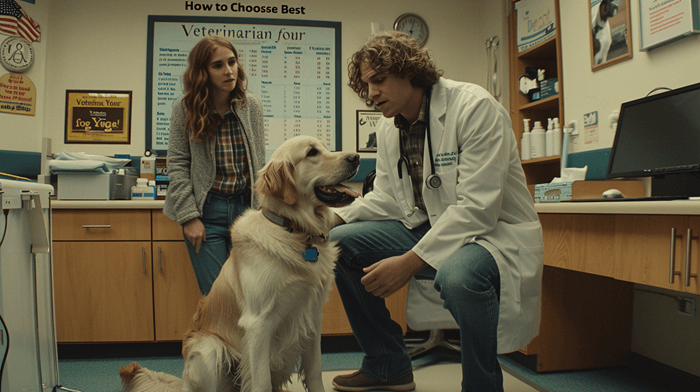
Regular veterinary visits are essential for maintaining your dog’s dental health. During these check-ups, your veterinarian will perform dental examinations and cleanings. Here’s what to expect during a veterinary visit:
- Dental Examination: Your veterinarian will examine your dog’s teeth and gums for signs of disease, such as redness, swelling, or tartar buildup.
- Professional Cleaning: Depending on your dog’s dental health, your veterinarian may recommend a professional dental cleaning to remove plaque and tartar that you can’t reach through regular brushing.
- Vaccination and Health Monitoring: Regular check-ups also allow your veterinarian to monitor your dog’s overall health and administer necessary vaccinations.
- Discuss Any Concerns: Use this opportunity to discuss any dental concerns you may have, such as changes in behavior or eating habits.
5. Educate Yourself on Signs of Dental Problems

Being proactive about your dog’s dental health means recognizing the early signs of potential problems. Watch for the following signs that may indicate dental issues:
- Bad Breath: While dogs naturally have a distinct smell, persistent bad breath may indicate dental disease.
- Difficulty Eating: If your dog is reluctant to eat, shows signs of discomfort while chewing, or drops food, it could be due to dental pain.
- Swollen Gums or Bleeding: Red, swollen gums or bleeding during brushing are clear signs of dental disease and warrant a veterinary visit.
- Changes in Behavior: If your dog becomes more irritable or withdrawn, it could be related to discomfort caused by dental issues.
6. Practice Dental Hygiene from a Young Age
Introducing dental care early in your dog’s life can establish a foundation for lifelong oral health. Puppies are more adaptable, and teaching them the importance of dental hygiene can create a habit they carry into adulthood.
- Start Early: Begin brushing your puppy’s teeth as soon as they are comfortable. This can help them adjust to the process without fear.
- Use Puppy-Safe Products: Ensure you use products specifically designed for puppies, as their teeth and gums are more sensitive.
7. Explore Professional Dental Care Options
In addition to routine dental check-ups, consider other professional dental care options that may benefit your dog:
- Dental Sealants: Some veterinarians offer dental sealants that help protect your dog’s teeth from plaque buildup.
- Dental X-Rays: Routine dental x-rays can identify problems beneath the surface that may not be visible during a standard examination.
- Behavioral Training: If your dog is particularly anxious about dental care, consult a professional trainer or behaviorist for strategies to make the process easier.
Common Mistakes to Avoid in Dog Dental Care

While maintaining your dog’s dental health may seem straightforward, several common mistakes can hinder your efforts. Here’s what to avoid:
1. Neglecting Regular Brushing
Many pet owners believe that occasional brushing is sufficient, but neglecting a regular brushing routine can lead to severe dental issues. Make brushing a consistent part of your dog’s grooming routine.
2. Using Human Dental Products
Using human toothpaste or toothbrushes can be harmful to your dog. Always use products specifically formulated for dogs, as they are designed to be safe and effective for canine dental care.
3. Skipping Veterinary Check-ups
Some pet owners may underestimate the importance of regular veterinary check-ups for dental health. Ensure you schedule routine visits to catch potential issues early.
4. Overlooking Dietary Impact
Ignoring the role of diet in dental health is a common mistake. Ensure your dog receives a balanced diet and avoid excessive treats that could contribute to plaque buildup.
5. Ignoring Bad Breath
Many owners dismiss bad breath as a normal occurrence, but persistent halitosis is often a sign of dental disease. Address this issue promptly by consulting your veterinarian.
Scientific Backing: The Importance of Dog Dental Care
Research consistently supports the significance of dental care for dogs. Studies reveal that untreated dental disease can lead to serious health issues. A study published in the Journal of Veterinary Dentistry found that oral health is directly correlated with the overall health of dogs, emphasizing the importance of regular dental care.
Another research study indicated that periodontal disease can lead to systemic conditions, including heart disease and kidney issues. These findings underscore the critical role dental hygiene plays in maintaining not only oral health but also the overall well-being of your furry companion.
Conclusion

Maintaining your dog’s dental health is a crucial aspect of their overall well-being that should not be overlooked. By implementing a consistent dental care routine, scheduling regular veterinary visits, and being aware of potential dental issues, you can significantly enhance your dog’s quality of life.
Remember, prevention is always better than cure. Start taking steps today to keep your dog’s teeth and gums healthy.
As you embark on this journey toward better dental health for your dog, consider exploring the Dog Trainer Bible for more comprehensive tips on training and caring for your beloved pet. This valuable resource can provide you with additional insights to ensure your dog’s well-being and happiness.
Invest in your dog’s health today—brush their teeth, choose the right foods, and schedule that veterinary check-up!