
Welcoming a new puppy into your home is one of life’s greatest joys. The cuddles, the playful nips, the endless energy—it’s all part of the fun. But let’s be honest, that joy can quickly turn to frustration when you’re constantly cleaning up little «accidents.» If you’re a new puppy owner, the thought of puppy potty training can feel overwhelming, but it doesn’t have to be. In fact, with the right approach, it can be a smooth, stress-free process for both you and your new furry family member.
This comprehensive guide is designed to give you a clear, foolproof 7-step method to successfully house training a puppy. We’ll cover everything from the fundamental principles to a detailed potty training schedule, helping you avoid common pitfalls and build a strong, trusting bond with your puppy along the way. By the time you finish this article, you’ll have all the tools and knowledge you need to get your puppy on the fast track to becoming a well-behaved, accident-free companion. We will delve deep into the best potty training tips and techniques to ensure your success with puppy potty training.
The Foundation of Successful Puppy Potty Training: Understanding the Basics
Before we dive into the step-by-step method, it’s crucial to understand the «why» behind puppy potty training. It’s not just about teaching your puppy where to go; it’s about establishing a routine, building communication, and fostering good habits. Think of it less as a chore and more as a collaborative effort. This is the first step to successful puppy potty training.
According to a study by the American Veterinary Society of Animal Behavior, housetraining is one of the top reasons dog owners seek professional help. But the good news is that most issues can be resolved at home with consistency and patience. Your puppy is hardwired to want to keep its «den» clean, so you’re already working with their natural instincts. Your job is simply to guide them.
What You’ll Need to Get Started with Puppy Potty Training
Before you even bring your puppy home, it’s wise to have a few key items on hand. These tools are essential for making puppy potty training as seamless as possible:
- A Crate: A dog crate is your most powerful tool. It acts as your puppy’s den and leverages their instinct to not soil their living space. A crate should be just big enough for your puppy to stand up, turn around, and lie down comfortably. If it’s too large, they might use one end as a bathroom.
- High-Value Treats: Small, soft, and easy-to-chew treats that your puppy absolutely loves are perfect for rewarding good behavior. This is a core component of positive reinforcement and crucial for effective puppy potty training.
- Enzyme Cleaner: Accidents will happen. It’s a fact of life. Having an enzyme-based cleaner on hand is crucial, as it breaks down the odor molecules that other cleaners leave behind. If your puppy can still smell a past accident, they’re more likely to repeat it in the same spot.
- A Leash: A simple 6-foot leash is all you need. Always use a leash for bathroom breaks, especially in the early stages, to keep your puppy focused and to prevent them from getting distracted.
- Patience and Consistency: These are the most important «tools» you’ll have. Consistency is key in all aspects of house training a puppy.
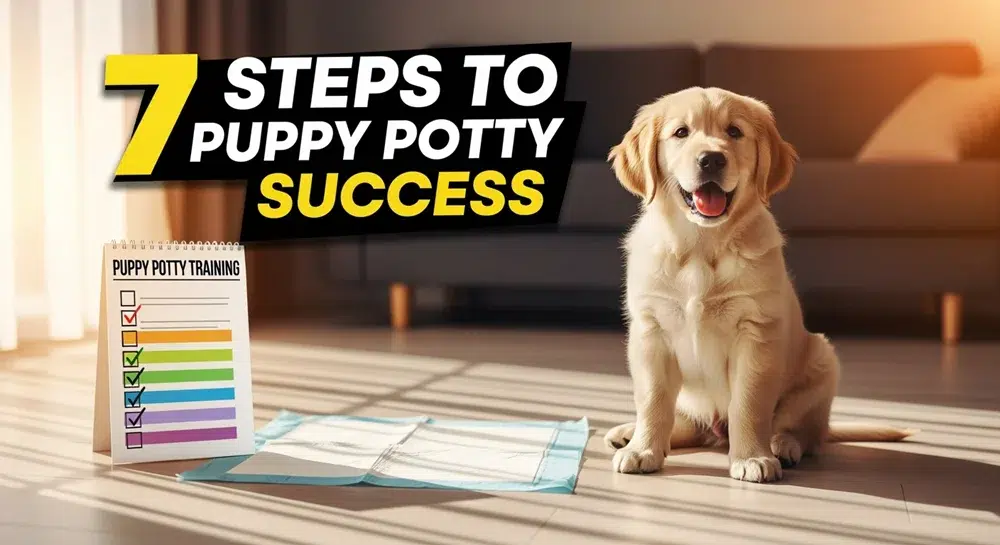
The 7-Step Foolproof Method to Potty Training a Puppy
This method breaks down the process into manageable steps that build on each other. Stick to this plan, and you’ll be well on your way to success with puppy potty training.
Step 1: Establish a Consistent Puppy Potty Training Schedule
This is the bedrock of puppy potty training. Puppies have tiny bladders and need to go out frequently. A predictable schedule helps them learn when and where they’re supposed to relieve themselves. This is one of the most important potty training tips.
A Sample Potty Training Schedule:
- First thing in the morning: As soon as you wake up, take your puppy outside.
- After waking from a nap: Every time your puppy wakes up, immediately take them outside.
- After playing: A burst of activity stimulates their bladder and bowels.
- After eating or drinking: Wait about 15-20 minutes after a meal or a long drink.
- Right before bedtime: This is your last chance to take them out before they go into their crate for the night.
- Every 1-2 hours throughout the day: A good rule of thumb for a young puppy is to take them out frequently, especially in the beginning.
It’s important to remember that puppies can generally hold their bladder for one hour for every month of their age, plus one. So, a 3-month-old puppy can hold it for about 4 hours. But don’t push it! Sticking to a strict, frequent potty training schedule is your best bet for avoiding accidents. Successful puppy potty training hinges on this consistency.
Step 2: Supervise Your Puppy Like a Hawk for Effective Potty Training
This might sound extreme, but constant supervision is the best way to prevent accidents. If you’re not actively watching your puppy, they could sneak off to a quiet corner and have an accident before you even realize it. This is a crucial part of how to potty train a puppy.
- Use a Leash Indoors: In the early stages, consider keeping your puppy on a leash attached to you while you’re at home. This is often called «umbilical cord training.» It keeps them close, so you can see their signals immediately.
- Limit Access to the House: Use baby gates or close doors to keep your puppy in the room you are in. This not only makes supervision easier but also prevents them from developing a preference for a certain corner of the house as their «potty spot.»
This intense supervision phase is temporary. As your puppy starts to get the hang of things, you can gradually loosen the reins. The goal is to build good habits and prevent bad ones from forming. This step is a cornerstone of how to potty train a puppy and a key to successful puppy potty training.
Step 3: Recognize Your Puppy’s Potty Signals
Your puppy will almost always give you a sign that they need to go. Learning to recognize these cues is a key part of puppy potty training. Common signals include:
- Circling: They might start walking in circles, sniffing the ground.
- Whining or Barking: Sometimes they’ll vocalize to get your attention.
- Restlessness: They might pace back and forth or seem agitated.
- Going to the Door: Some puppies will learn to go to the door they use to go outside.
As soon as you see one of these signs, don’t hesitate. Immediately grab the leash and take your puppy outside. Don’t make a big deal out of it; just get them out the door as quickly and calmly as possible. This reinforces the link between the signal and the action. This step is what makes the difference when you are learning how to potty train a puppy.
Step 4: Choose a Designated Potty Spot for Your Puppy

Consistency is king. When you take your puppy outside, always take them to the same designated «potty spot.» This helps them associate that specific area with relieving themselves. This is a simple but effective puppy potty training technique.
- Keep it Simple: The spot should be a quiet, low-traffic area of your yard.
- Be Patient: Stand still and let your puppy sniff around. Don’t play or get distracted.
- Use a Cue Word: As your puppy starts to go, quietly and calmly use a specific cue word or phrase, like «Go potty» or «Do your business.» This helps them learn what is expected of them.
This simple act of using the same spot and a consistent cue word is a powerful part of puppy potty training. It reinforces the routine and helps solidify the training.
Step 5: Master the Art of Positive Reinforcement for Puppy Potty Training
Positive reinforcement is the most effective and humane way to train a puppy. When your puppy successfully goes potty outside, it’s time to celebrate! This is the most rewarding part of puppy potty training.
- Immediate Reward: As soon as they finish, give them a high-value treat, praise them enthusiastically, and offer some belly rubs or a quick game of tug. The timing is critical—the reward must happen within seconds of them finishing their business so they make the correct association.
- The Power of Praise: Don’t underestimate the power of your voice. A cheerful «Good boy!» or «Good girl!» can be just as rewarding as a treat for a puppy.
- Keep Rewards High-Value: Make sure the treats you use for puppy potty training are special and only used for this purpose. This makes the reward more meaningful.
This step is what makes house training a puppy a positive and rewarding experience for both of you.
Step 6: What to Do When Accidents Happen during Puppy Potty Training
Accidents are inevitable. How you handle them is what truly matters. The golden rule is: never punish your puppy for an accident.
- Why Punishment Doesn’t Work: Yelling, scolding, or rubbing their nose in it will only teach your puppy to be afraid of you. It doesn’t teach them where to go; it just teaches them to hide their accidents from you. They’ll learn to go potty behind the couch or under a table, which makes the problem harder to solve.
- Handle Accidents Calmly: If you find an accident, simply clean it up with your enzyme cleaner. Don’t get upset. Your puppy won’t understand why you’re mad. Just clean the area thoroughly to eliminate the odor.
- Interrupting an Accident: If you catch your puppy in the act, make a quick, sharp noise like a clap or a «Hey!» to interrupt them. Immediately take them outside to their designated spot. If they finish going outside, praise and reward them heavily. If not, just bring them back inside and continue with your regular schedule.
This calm, no-drama approach is a vital potty training tip that will save you a lot of stress and prevent your puppy from developing fear-based behaviors. It’s a key part of how to potty train a puppy effectively.
Step 7: Crate Training: Your Secret Weapon for Puppy Potty Training
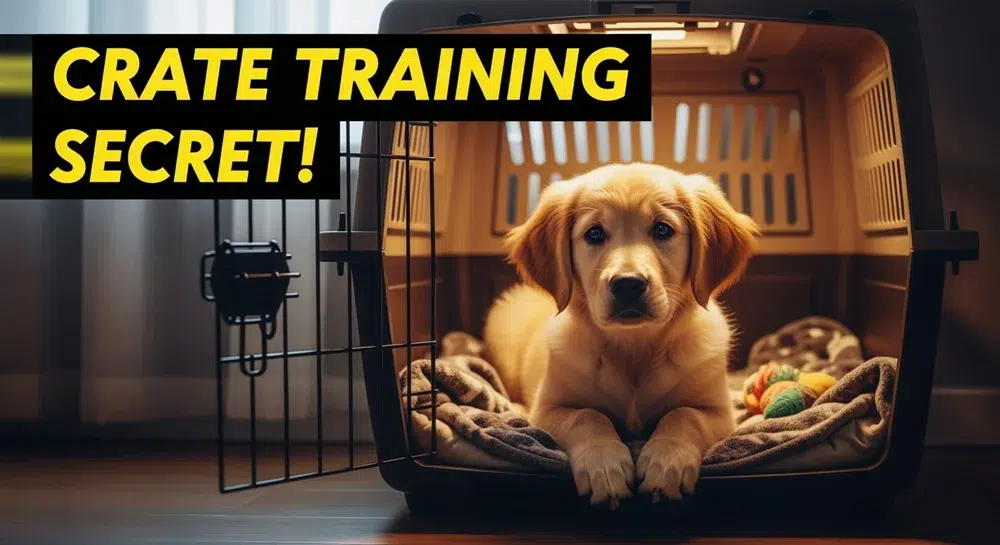
We mentioned the crate earlier, but it deserves its own step because it is an invaluable tool for house training a puppy. A crate works with your puppy’s natural instinct to not soil their sleeping area. This is a fundamental technique for puppy potty training.
- Creating a Den: The crate should be a safe, comfortable space where your puppy can relax. Never use the crate as a form of punishment. Make it a positive place by feeding them in it and giving them special chew toys when they’re inside.
- Crate Schedule: Your puppy should be in the crate when you can’t actively supervise them. When they are in the crate, you can be reasonably confident they will not have an accident. This allows you to get a break while still being proactive about puppy potty training.
- Overnight Training: The crate is especially useful for overnight potty training. Puppies will generally try their best to hold it until morning. If they start whining in the middle of the night, it’s a good bet they need to go out. Don’t make a fuss—just take them out on a leash, let them do their business, and then immediately put them back in the crate. This teaches them that middle-of-the-night trips are for business, not for play.
A crate is a fantastic tool for managing a puppy’s environment and making the potty training schedule much easier to stick to. It’s an essential element of how to potty train a puppy.
Advanced Puppy Potty Training Tips & Troubleshooting
Once you’ve mastered the basics, you might run into a few specific challenges. Here are some extra potty training tips to help you troubleshoot and stay on track with puppy potty training.
Dealing with Accidents on a Potty Pad
Some owners choose to use potty pads, especially if they live in an apartment or need to leave their puppy alone for short periods. If you use them, be consistent. Place the pads in a specific area and praise your puppy when they use them. This is an alternative form of puppy potty training.
However, a potential drawback is that your puppy might not understand the difference between the potty pad and a rug or carpet. The texture can feel similar. The ultimate goal should still be to transition to going outside. If you use pads, try to slowly move the pad closer to the door over time and then eventually outside.
Handling Regression in Puppy Potty Training
Is your puppy suddenly having accidents after weeks of perfect behavior? This is called regression, and it’s a normal part of the puppy potty training process. It can be caused by several factors:
- Developmental Stage: Your puppy might be going through a new developmental phase.
- Changes in Routine: A change in your schedule, a new person in the house, or a move can cause a temporary setback.
- Medical Issues: Sometimes, a sudden increase in accidents can be a sign of a urinary tract infection (UTI) or other health problems. If the problem persists, it’s a good idea to consult your veterinarian.
If regression happens, don’t get discouraged. Just go back to the basics: increase supervision, stick to the potty training schedule, and be extra diligent with positive reinforcement.
The Importance of Potty Breaks for Adults
As your puppy gets older, their ability to hold their bladder will improve. But even adult dogs need frequent potty breaks. A good general guideline for an adult dog is to take them out at least 3-5 times a day. This includes a morning break, an afternoon break, an after-work break, a pre-bedtime break, and sometimes a quick trip right before you go to sleep. Sticking to a consistent schedule even as they get older is a fundamental aspect of owning a dog and a continuation of puppy potty training.
The Long and Short of It: A Final Word on Consistency
We’ve mentioned it many times, but it’s worth repeating: consistency is the most important part of puppy potty training. A 2018 survey of over 1,000 dog owners found that the most common reason for failure in potty training was a lack of consistency.
This means that everyone in the household needs to be on the same page. If one person follows the schedule and another doesn’t, your puppy will get confused. Make sure your family, roommates, or anyone who interacts with the puppy understands and follows the same rules. Your success in puppy potty training depends on it.
Conclusion
Potty training your puppy is a journey, not a sprint. It requires patience, consistency, and a whole lot of love. By implementing this foolproof 7-step method, you’ll be setting your puppy up for success and building a strong foundation for a lifetime of good habits. Remember to celebrate the wins, be patient with the setbacks, and always use positive reinforcement.
You are creating a well-mannered companion, and the work you put in now will pay off tenfold. A well-trained puppy is a happier puppy, and a well-trained puppy makes for a happier owner. It all starts with a solid puppy potty training plan.
Ready to take your dog training skills to the NEXT LEVEL and truly understand your dog’s mind? Discover the Dog Trainer Bible — a one-of-a-kind resource packed with proven techniques and insider tips used by top trainers. Don’t just settle for an obedient dog… create a happy, balanced, and well-trained companion for life!