
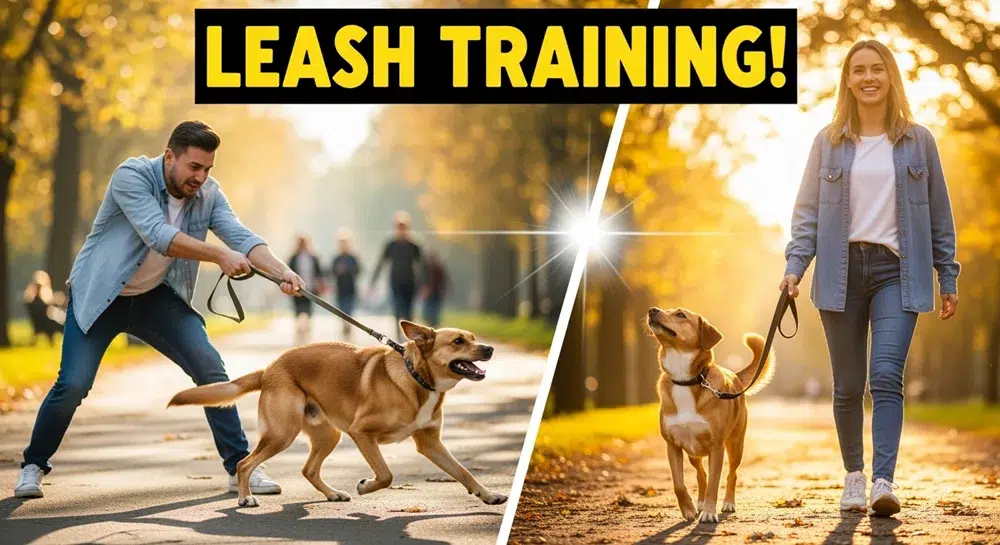
Is every walk a battle? Does your arm feel like it’s being pulled out of its socket? You’re not alone. The constant tug-of-war with a stubborn dog on a leash is a frustrating experience many dog owners face daily. It turns what should be a peaceful, enjoyable stroll into a dreaded chore.
But what if you could change that? What if you could have calm, relaxed walks where your dog walks politely by your side? It’s not just a fantasy. This comprehensive guide will equip you with the knowledge and techniques to leash train a dog, no matter how stubborn they are. We’ll go beyond the basics to address why dogs pull, how to choose the right gear, and step-by-step methods to transform your walks from chaotic to comfortable. You’ll learn how to leash train a dog successfully, creating a happier, more harmonious relationship with your best friend.
Why Leash Training is a Challenge: Understanding Your Dog’s Mindset
Before we dive into the «how,» let’s understand the «why.» Why do dogs pull on the leash? It’s not because they’re trying to be defiant. It’s often because their natural instincts clash with what we want them to do. To effectively leash train a dog, you must first understand their motivations.
The World is Their Oyster
Dogs experience the world primarily through their nose. A walk is a sensory overload—a chance to sniff new smells, see new sights, and explore. For a dog, pulling on the leash is simply the quickest way to get to that next interesting patch of grass, fire hydrant, or squirrel. They’re not trying to be bad; they’re just being dogs. A dog’s natural instinct is to explore, and they don’t understand that a leash is meant to be a tool for walking calmly. Your job is to teach them how to leash train a dog correctly.
The Power of Positive Reinforcement (for Them)
If a dog pulls and gets to where they want to go, they’ve been rewarded. They’ve successfully accomplished their goal. Every time this happens, the behavior is reinforced. Over time, this creates a strong habit: pulling equals progress. To leash train a dog effectively, we have to break this cycle and teach them that polite walking, not pulling, is what gets them rewards. This principle is at the core of how you leash train a dog and stop the pulling.
The Essential Gear: Choosing the Right Tools for Success
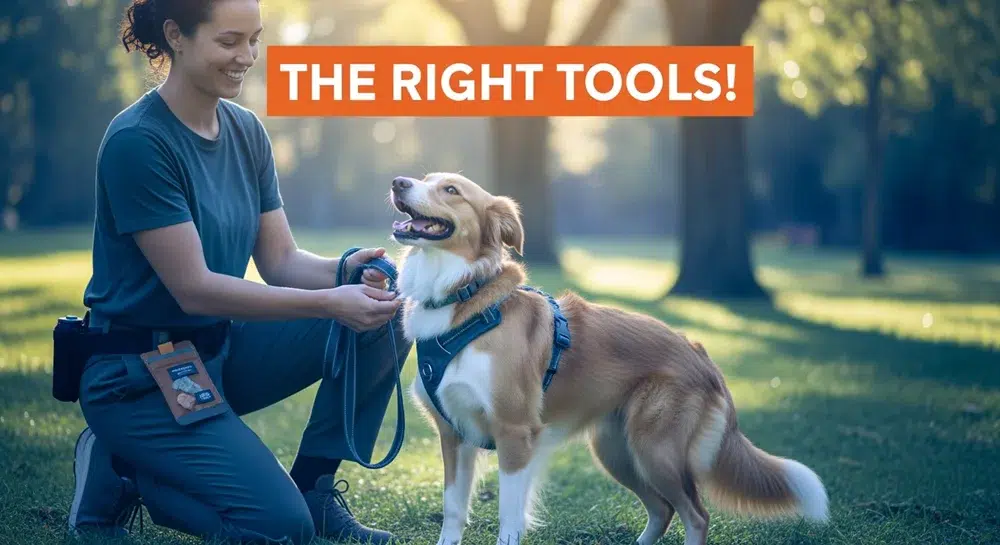
You can’t build a house without the right tools, and the same goes for leash training a dog. The equipment you use plays a crucial role in your success. Forget those old-fashioned choke chains and prong collars. Modern, humane tools are far more effective and less likely to cause injury or fear in your dog. To properly leash train a dog, you need to have the right equipment from the start.
Leashes: Length and Material Matter
When it comes to leashes, you have a few options, but for leash training a dog, simplicity is key.
- Standard 4-6 Foot Leash: This is the best all-around choice. It gives your dog enough freedom to explore without giving them so much slack that they can easily get ahead of you. A good quality nylon or leather leash is durable and comfortable to hold. This is the ideal type of leash to use when you want to leash train a dog to walk politely.
- Retractable Leashes: A common mistake many owners make is using a retractable leash during the training phase. These leashes actually teach a dog to pull. The constant tension on the leash signals to the dog that pulling is okay, and the unpredictable length makes it impossible to maintain consistent control. Avoid these when you leash train a dog.
- Long Lines: These are excellent for practicing recall in open, safe spaces, but not for everyday walks. They are a different tool entirely, and you can’t properly leash train a dog with one on a daily walk.
Harnesses vs. Collars: A Critical Choice
This is perhaps the most important decision you’ll make regarding your equipment. Many owners use a flat collar, which is fine for a dog that already walks well, but can cause injury if a dog pulls excessively. When you need to leash train a dog that pulls, this distinction becomes vital.
- Flat Collar: A simple collar where you attach the leash. If a dog pulls hard, this puts pressure directly on their throat, which can cause pain, coughing, or even tracheal damage. It’s not the ideal tool for a dog that pulls. It makes the job of teaching a dog to leash train a dog much harder and more painful for them.
- No-Pull Harness: This is your secret weapon. A good no-pull harness has a front-clip attachment point. When a dog tries to pull, the leash attaches to their chest, gently turning them back toward you. This makes it physically uncomfortable for them to pull forward, teaching them to walk by your side without pain or fear. This is one of the most effective tools to stop dog pulling on leash. A good harness is essential for anyone trying to leash train a dog with a stubborn streak.
- Head Halters (or Head Collars): Similar to a horse’s halter, this fits over your dog’s snout. When the dog pulls, it gently turns their head, redirecting their focus. While very effective, some dogs find them aversive at first and require careful conditioning to accept them. This is an advanced tool for a very determined owner who wants to leash train a dog quickly.
How to Use a Harness for Dogs
Putting on a harness can be a struggle, especially with an excited pup. Here’s a simple process to make it a positive experience and to get your dog comfortable with the idea of wearing one. This is a crucial first step before you can even begin to leash train a dog properly.
- Introduce the Harness Slowly: Let your dog sniff the harness. Give them a treat. Repeat this several times over a few sessions until they associate the harness with good things.
- The «Puppy Sandwich» Method: Hold the harness in one hand and a treat in the other. Guide your dog’s head through the neck loop to get the treat. Praise them enthusiastically.
- Fasten Gently: Once their head is through, fasten the chest and belly straps. Make sure you can fit two fingers comfortably between the harness and your dog’s body. It should be snug, but not tight.
- Practice Inside First: Don’t just put the harness on and head out the door. Let them wear it for a few minutes inside, praising and giving treats. This helps them get used to the feel and makes it easier when you begin to leash train a dog outside.
Leash Training Techniques: From Frustration to Freedom
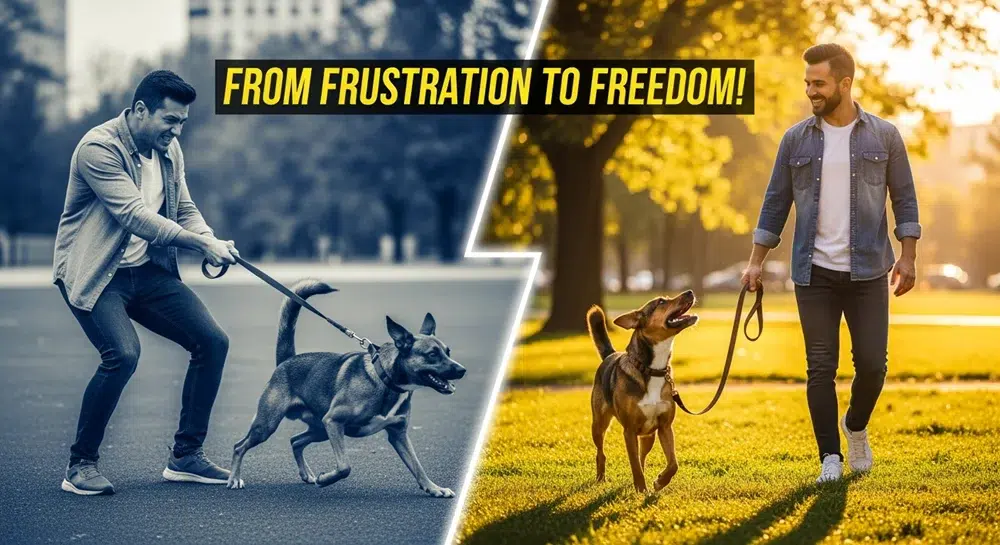
Now that you have the right gear, it’s time to put it to work. Consistency is key. You’ll need to be patient, persistent, and positive. Remember, you’re not just trying to leash train a dog; you’re building a new habit and a stronger bond with your companion. These techniques are what will finally allow you to leash train a dog that previously seemed impossible to train.
The «Stop-and-Go» Method: Your Go-To Technique
This is arguably the most powerful technique for how to stop dog pulling on leash. It’s simple, but requires absolute consistency. This is a foundational technique to leash train a dog.
Step 1: The Starting Line Begin your walk. As soon as you feel any tension on the leash, even the slightest pull, immediately stop. Do not move forward. The world is on pause.
Step 2: The Reset Wait for your dog to turn around and look at you. If they don’t, gently encourage them by making a sound or using their name. The moment the leash goes slack, and they look at you, immediately start walking again.
Step 3: Repeat, Repeat, Repeat You will likely be stopping and starting a lot at first. This is normal. The key is to be relentless. Your dog will quickly learn that pulling makes the walk stop, while loose-leash walking makes it continue. This method teaches them that their actions have consequences and that leash training a dog is a partnership, not a one-way street. Every single time you apply this, you reinforce the lesson, making it easier to leash train a dog over time.
Pro-Tip: Don’t yank the leash. Jerking the leash can cause pain and create a negative association with walks. The stop-and-go method works by removing the reward (forward motion), not by inflicting punishment. This is the most humane and effective way to leash train a dog.
The Lure-and-Reward Method for Positive Reinforcement
This method works well for both puppies and adult dogs. It uses food or a favorite toy to guide your dog into the correct position. It is a fantastic way to introduce the concept of walking by your side when you leash train a dog.
Step 1: The Lure Hold a high-value treat in your hand, near your dog’s nose. Use the treat to lure them into a position right by your side.
Step 2: The «Yes» Signal As soon as they are in the correct position, say a verbal marker like “Yes!” or click a clicker. Immediately give them the treat.
Step 3: The Movement Take one step forward. If they stay in position, mark and reward again. Gradually increase the number of steps you take between rewards. The goal is to reward them for staying in the heel position, not for just taking a step.
This method helps you to leash train a dog by building a positive association with walking next to you. It teaches them that being near you is a rewarding experience, and that they get delicious rewards for good behavior. You can use this method to teach your dog that walking on a loose leash is the most rewarding thing they can do. When you leash train a dog this way, they become an active participant in their own learning.
The Change Direction Method: Keeping Them Guessing
This is another great technique to add to your repertoire. It keeps your dog’s attention on you and teaches them that they need to pay attention to where you’re going. It’s a fun and engaging way to leash train a dog.
Step 1: The Pull The moment you feel your dog pull, without saying a word, change direction 180 degrees.
Step 2: The Follow Your dog will have to follow you to keep up. When they catch up to you and the leash is slack, praise them and continue walking in your new direction.
Step 3: Keep it Random Keep changing directions sporadically, even when they aren’t pulling. This makes the walk a game of following you and keeps them focused on your lead, rather than on whatever is ahead. This is a very effective way to leash train a dog and get their full attention. This teaches them to pay attention to your cues and not just pull ahead. You will see a major improvement when you leash train a dog with this technique.
Leash Training a Puppy: The Sooner, The Better
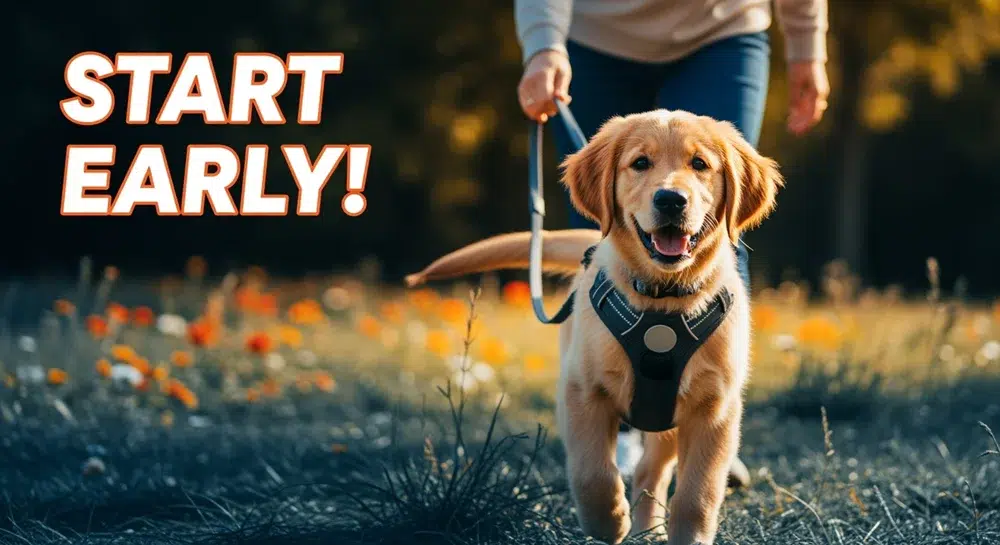
Starting early is the best way to prevent bad habits from forming in the first place. Leash training a puppy is a bit different than training an adult dog because their attention spans are shorter and everything is a new experience. It’s much easier to leash train a puppy than it is to correct an adult dog’s bad habits.
Keep Sessions Short and Sweet
Puppies can’t focus for long. Keep your training sessions to 5-10 minutes, multiple times a day. End on a high note before they get bored or frustrated. The key to successfully leash train a puppy is to make it a positive and fun experience.
Start Inside
Before you even step out the door, get your puppy used to the collar and leash. Let them wear a lightweight collar for a few minutes at a time, praising them and giving treats. Then, attach the leash and let them drag it around inside, always under your supervision. This helps to desensitize them to the equipment, which is an important part of how to leash train a puppy.
Make it Fun
Use treats and praise enthusiastically. For a puppy, the walk itself is a reward, but the praise and treats reinforce that walking politely is what gets them that reward. When you’re teaching a puppy, you are setting the foundation for all future walks. A positive start is everything. This is how you leash train a puppy to love their leash and their walks.
Troubleshooting Common Problems
Even with the best techniques, you might run into some common issues. Here’s how to handle them. This section will help you overcome the most common obstacles you’ll face when you leash train a dog.
Problem: My Dog Refuses to Move
Some dogs, especially puppies or timid dogs, might lie down and refuse to move when the leash is on.
Solution: Don’t drag them. That will only make the experience more negative. Instead, use a high-value treat or a favorite toy to coax them forward. Make it a game. Take a step, praise, and reward. Another trick is to squat down and encourage them to come to you. You have to make the idea of moving forward more appealing than staying put if you want to leash train a dog like this.
Problem: My Dog Barks and Lunges at Other Dogs or People
This is a reactivity issue, and it requires a slightly different approach. This is a common and difficult problem to face when you try to leash train a dog that is reactive.
Solution: First, understand that this is not just bad manners—it’s often a sign of fear or over-excitement. Your goal is to keep your dog under their reactivity threshold.
- Create Distance: If you see another dog or person, increase the distance between your dog and the trigger. Cross the street, turn down another path, or step behind a car.
- Redirection: The moment your dog notices the trigger but before they start barking or lunging, get their attention with a high-value treat. Reward them for looking at you instead of the trigger. This teaches them to look to you for guidance in these situations.
This is a slow process, and for serious cases, it may require the help of a professional behaviorist. However, practicing this technique is a fantastic way to begin to leash train a dog that has reactivity issues.
Making Walks a Positive Experience for Both of You
The goal isn’t just to leash train a dog; it’s to create a shared, joyful experience. A successful walk is more than just a potty break. It’s an opportunity to bond, to explore, and to de-stress. A well-behaved dog on a leash allows for a much more fulfilling experience for both of you. You can truly leash train a dog to enjoy walks, and you can enjoy them too.
- Sniffing is a Reward: Don’t be in a rush. Allowing your dog to stop and sniff is mentally stimulating and fulfilling for them. Think of it as them «reading the newspaper.» You can use sniffing as a reward for a good loose-leash walk. After a few minutes of good walking, say «go sniff!» and let them explore a patch of grass. This is a great reward for a dog that has learned to walk politely.
- Be Present: Put your phone away. Pay attention to your dog’s body language. Are their ears back? Are they pulling? Are they wagging their tail? Being present helps you anticipate their needs and head off potential problems before they start. This is an essential part of the process when you leash train a dog.
- Consistency is Key: The most important factor in your success is consistency. Every time you walk, you are training. If you let your dog pull sometimes but not others, you’re sending a mixed message. Everyone in the household must be on the same page. This is the secret to why some people succeed where others fail when they try to leash train a dog. You must be consistent in every aspect of the training.
Conclusion: The Path to Perfect Walks
Training a stubborn dog takes time and patience, but it is one of the most rewarding things you can do for your relationship. By understanding why your dog pulls, choosing the right tools like a no-pull harness, and consistently applying humane techniques like the stop-and-go method, you can transform your walks from a source of frustration to a source of joy.
Remember, the journey to leash train a dog is not about forcing them to comply. It’s about teaching them, patiently and kindly, that walking politely by your side leads to more rewards, more freedom, and a better bond between the two of you. Start today, and you’ll be on your way to enjoying those peaceful, pleasant walks you’ve always dreamed of. Once you leash train a dog, the world of adventures with your best friend will open up, making it all worth the effort.
Ready to take your dog training skills to the NEXT LEVEL and truly understand your dog’s mind?
Discover the Dog Trainer Bible — a one-of-a-kind resource packed with proven techniques and insider tips used by top trainers. Don’t just settle for an obedient dog… create a happy, balanced, and well-trained companion for life!